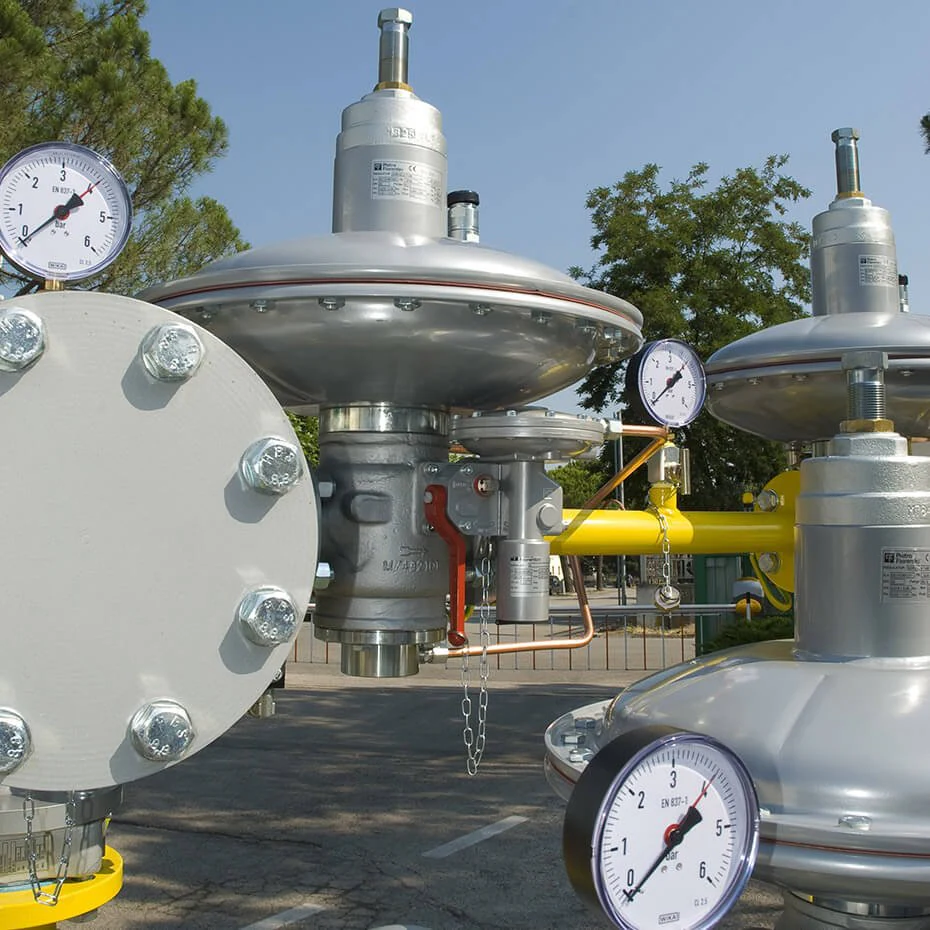
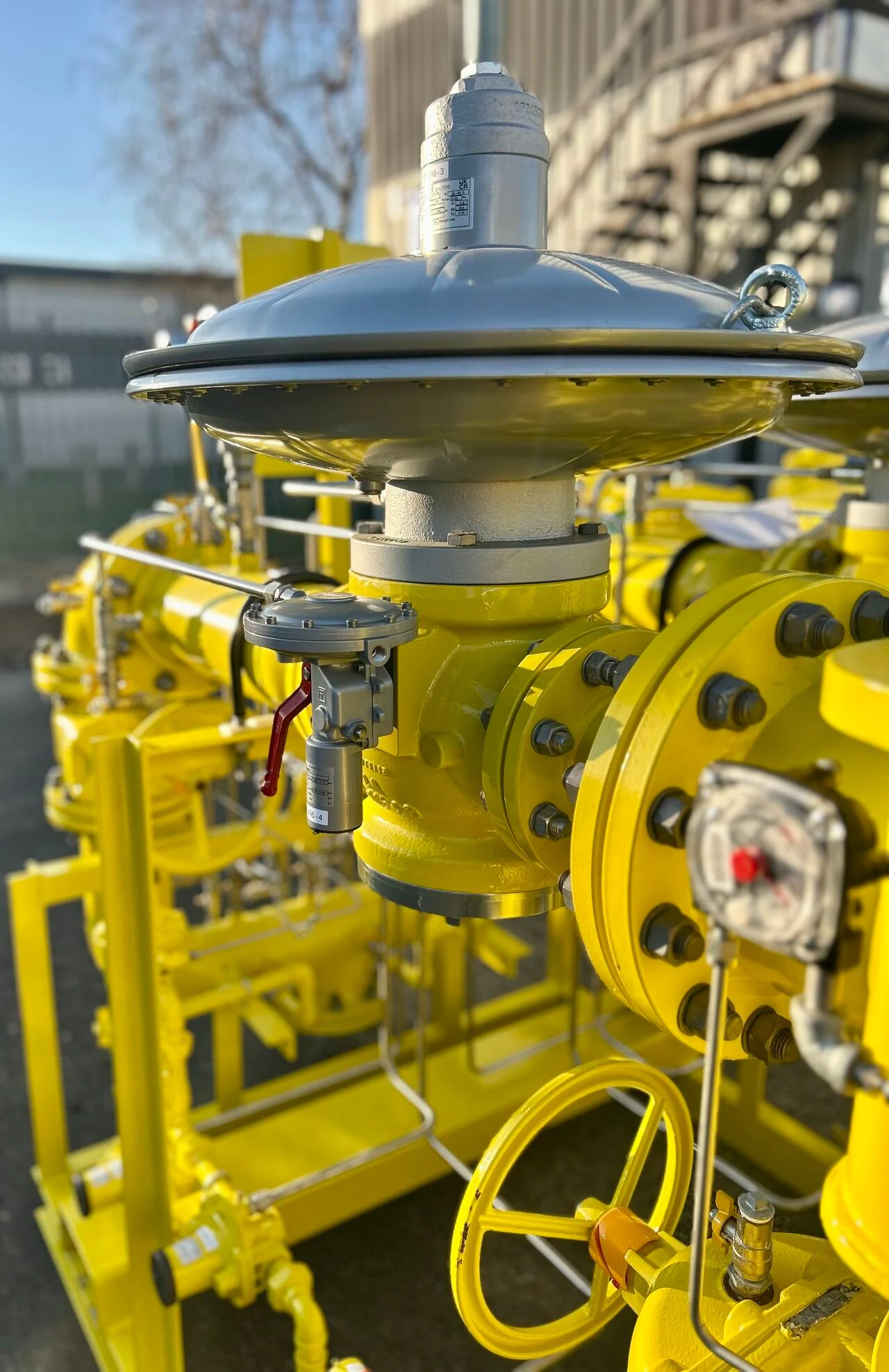
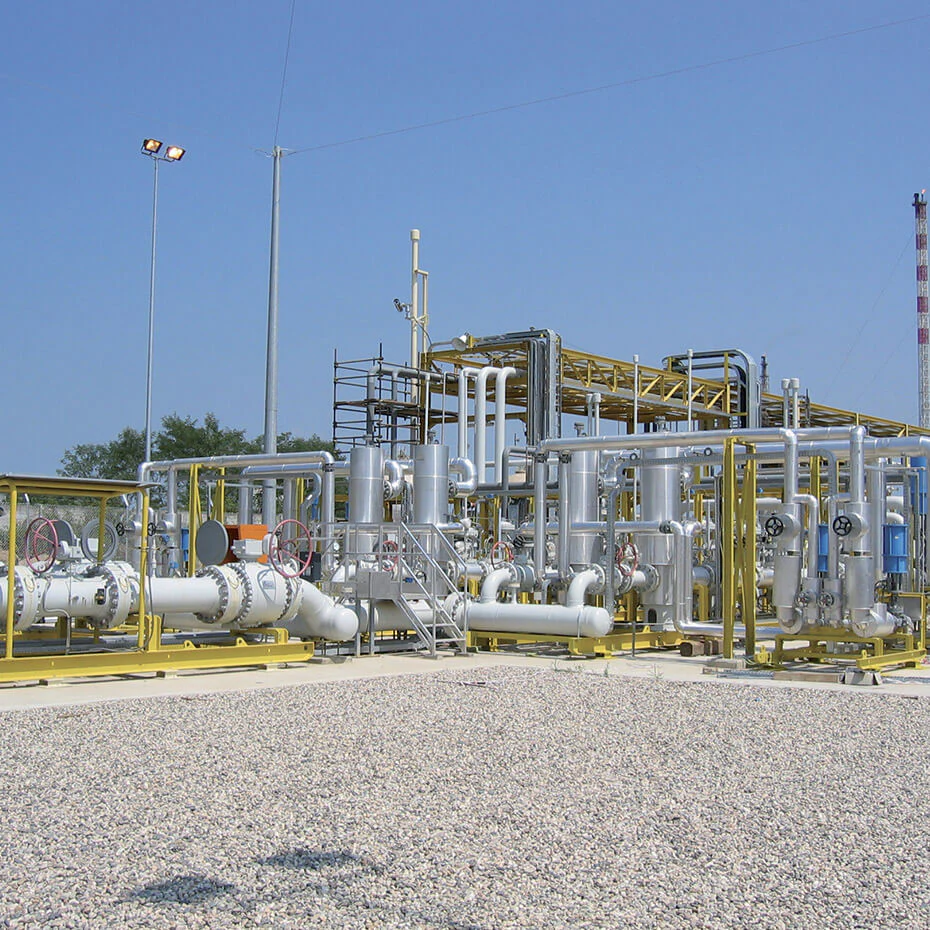
We design, supply and commission gas pressure reducing and metering stations with Pietro Fiorentini equipment for gas networks and industry in Saudi Arabia and the GCC.

A pressure reducing and metering station, PRMS for short, filters the gas, reduces its pressure to the contractual value, protects the downstream system and measures what passes through. We deliver them as skids, cabinets or housed stations, from city gate to district and industrial stations, with regulators, slam shut valves, relief valves, filters, meters and volume converters from one manufacturer.

Overview

City gate and high pressure stations - Pietro Fiorentini Saudi Industry

City gate and high pressure stations

Stations at the transmission pipeline, where gas is filtered, preheated, reduced and metered to the delivery specification.

  • Inlet pressures up to 100 bar
  • Preheating ahead of the pressure cut
  • Custody transfer metering
  • Skid or housed station
View range
District regulating stations - Pietro Fiorentini Saudi Industry

District regulating stations

Distribution stations that make the final pressure reduction before gas reaches domestic and commercial users.

  • Medium to low pressure regulation
  • Active and monitor regulators
  • Ready for remote control
  • Cabinet or skid
View range
Industrial end-user stations - Pietro Fiorentini Saudi Industry

Industrial end-user stations

Packaged reducing and metering stations for a plant connection: boiler house, furnace, kiln, turbine or process line.

  • Sized to the plant's flow and pressure
  • Slam shut and relief protection
  • Meter and volume converter for billing
  • Quick and safe installation
View range
Cabinet and compact stations - Pietro Fiorentini Saudi Industry

Cabinet and compact stations

Pre-assembled stations in low architectural impact cabinets with anti-tampering protection and remote communication devices.

  • Protection against specific climatic conditions
  • Smart sensors and mechatronic devices
  • Quick and safe field installation
  • Low visual impact
View range
Metering skids and fiscal metering - Pietro Fiorentini Saudi Industry

Metering skids and fiscal metering

Gas metering stations that let operators monitor, manage and account for the gas flowing through the network.

  • Rotary, turbine or ultrasonic meters
  • Volume conversion for pressure and temperature
  • Parallel or series meter runs
  • Online gas chromatography for energy content
View range
CNG daughter stations - Pietro Fiorentini Saudi Industry

CNG daughter stations

Decompression stations that supply gas where no pipeline exists, from CNG trailers at up to 250 bar.

  • Maximum operating pressure 250 bar
  • Any common downstream pressure
  • Same safety philosophy as a PRMS
  • Off-grid industry and refuelling
View range

The equipment inside a station

Trunnion mounted ball valve (API 6D, double block and bleed) for gas pipelines by Pietro Fiorentini / TIV Valves H2 Ready
Inlet and outlet isolation valve

Trunnion Ball Valves

Trunnion mounted ball valves up to Class 2500.

View Details
HFA in-line and HFB 90-degree dry gas filters, 5 micron cartridge, by Pietro Fiorentini H2 Ready
Inlet filtration, 5 micron standard

HFA-HFB

Dry gas filters for high pressure applications.

View Details
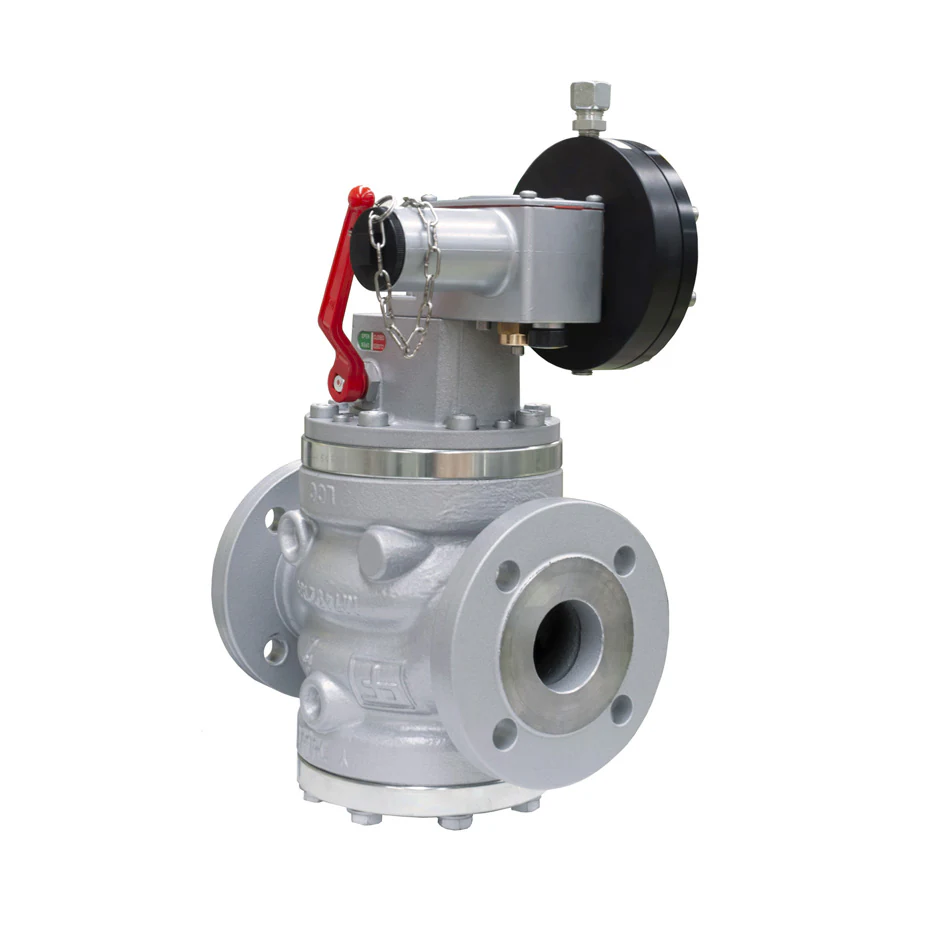
SBC 782 slam shut valve (safety shut-off) for gas stations by Pietro Fiorentini
Slam shut safety valve, up to 102 bar

SBC 782

Slam shut valve for industrial applications.

View Details
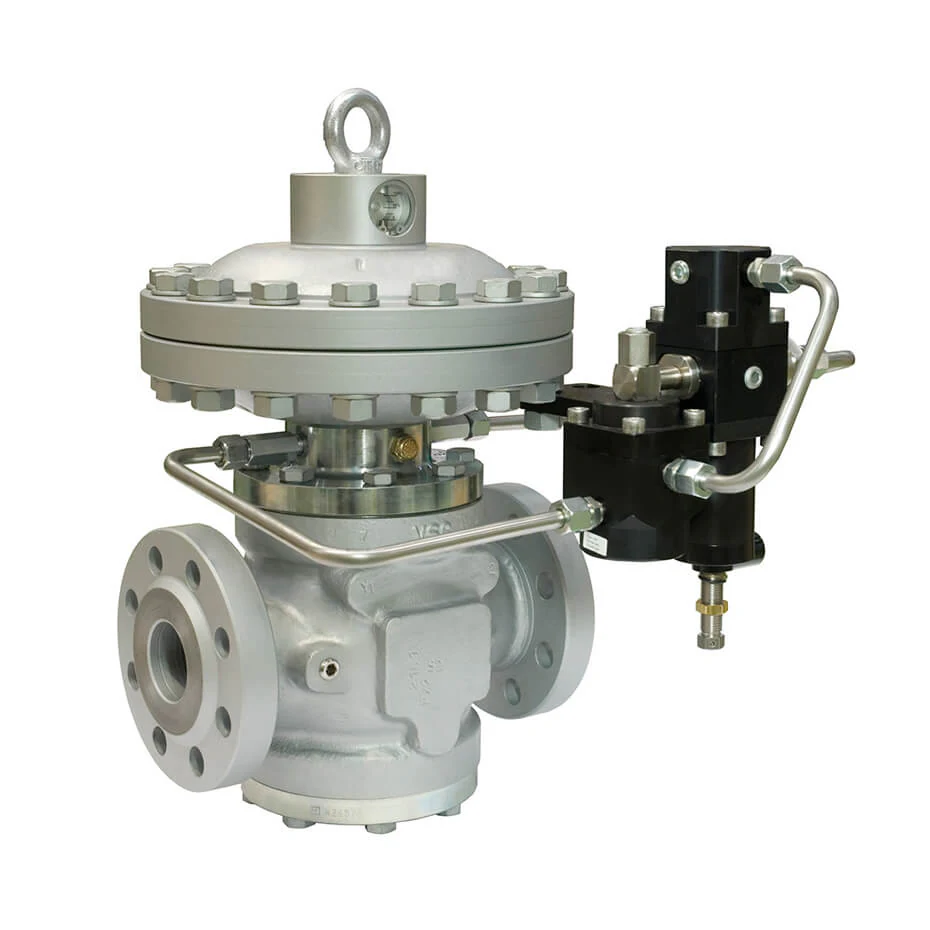
Reflux 819 pilot operated high pressure gas regulator, flanged, hydrogen ready, by Pietro Fiorentini H2 Ready
Monitor regulator, high and medium pressure lines

Reflux 819

Premium pilot operated regulator with H2 compatibility.

View Details
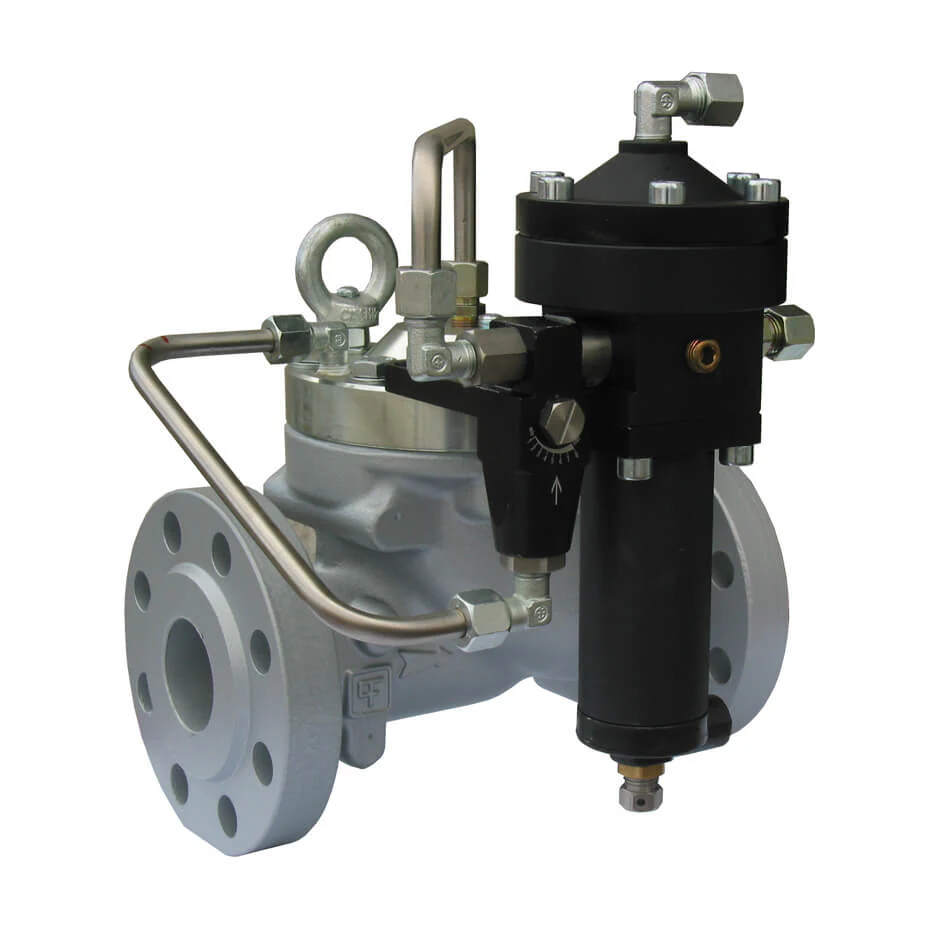
Aperflux 101 pilot operated high pressure gas regulator with pilot on a flanged body, fail open, by Pietro Fiorentini
Active regulator, transmission inlet pressures

Aperflux 101

Pilot operated regulator for high-medium pressure applications.

View Details
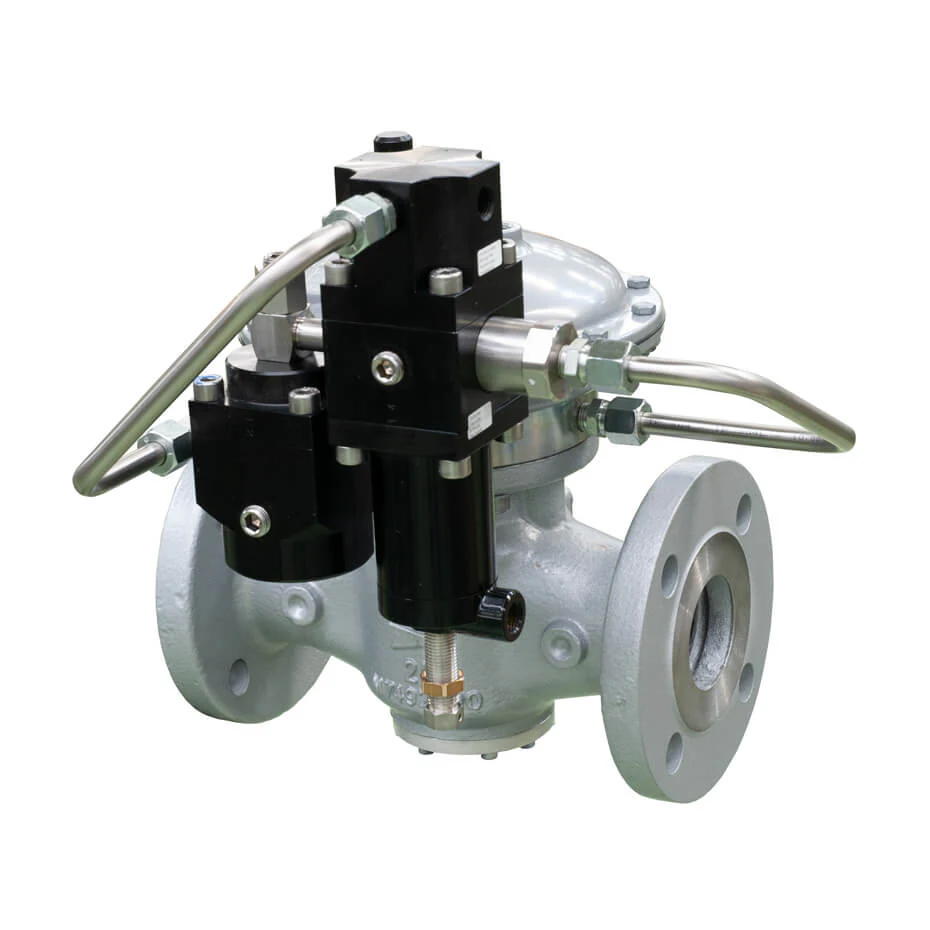
Dixi pilot operated medium-low pressure gas regulator, flanged body with pilot, by Pietro Fiorentini H2 Ready
District and industrial line regulator, integrated slam shut option

Dixi

Pilot operated regulator for distribution.

View Details
PVS 782 pilot operated gas relief valve by Pietro Fiorentini
Pilot operated relief valve

PVS 782

Pilot operated relief valve up to 102 bar.

View Details
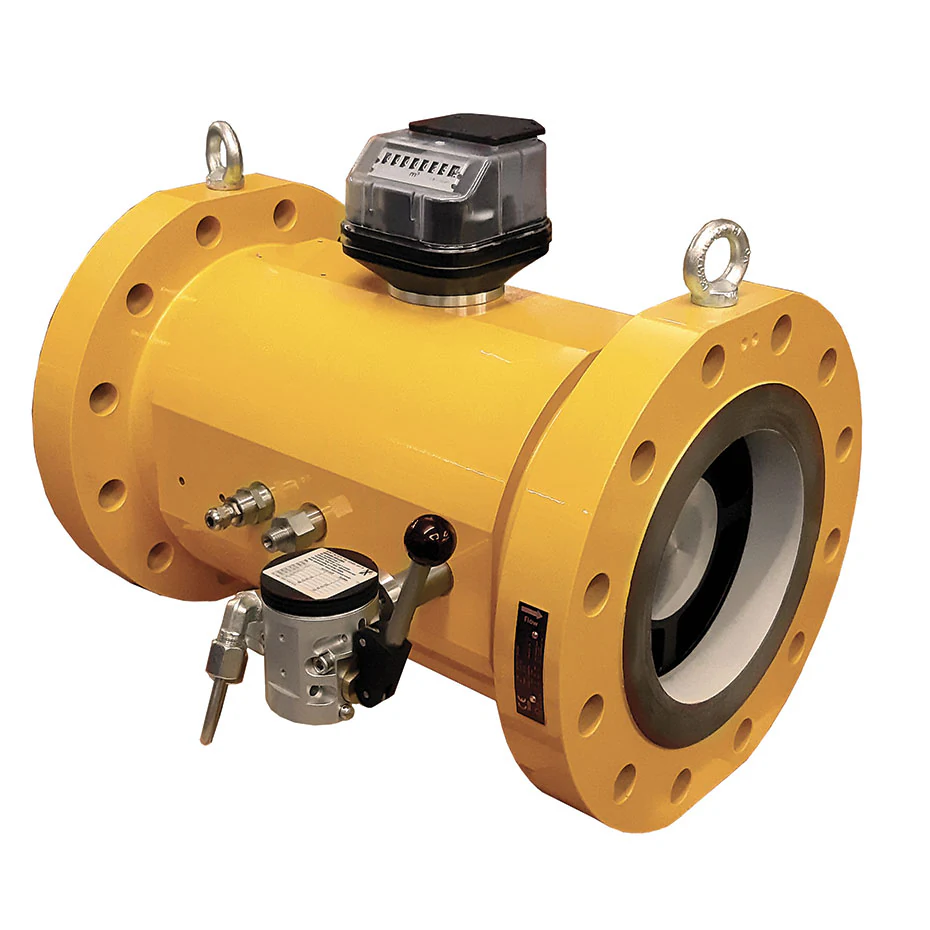
IM-TM turbine gas meter with integrated flow conditioner by Pietro Fiorentini H2 Ready
Turbine meter, 8 to 6,500 m³/h

IM-TM

High-performance turbine meter for custody transfer.

View Details
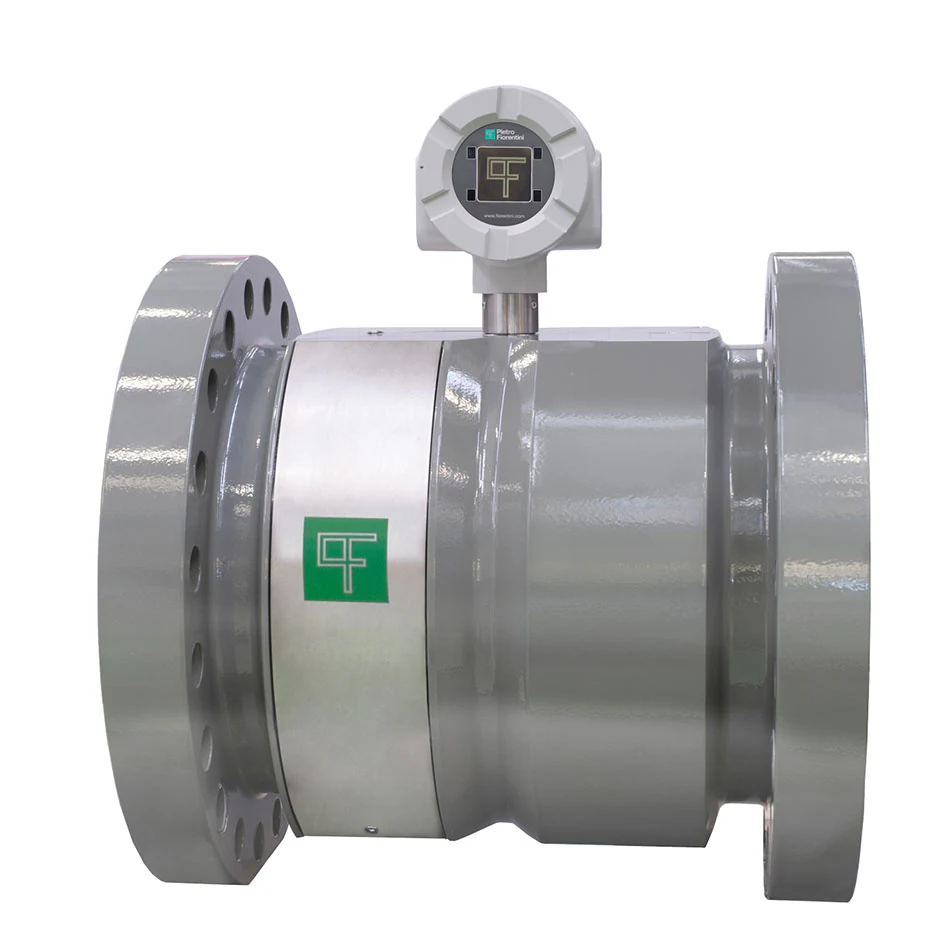
FioSonic multipath ultrasonic gas meter for custody transfer, titanium transducers, by Pietro Fiorentini H2 Ready
Ultrasonic custody transfer meter

FioSonic

Multi-path ultrasonic meter for fiscal metering.

View Details
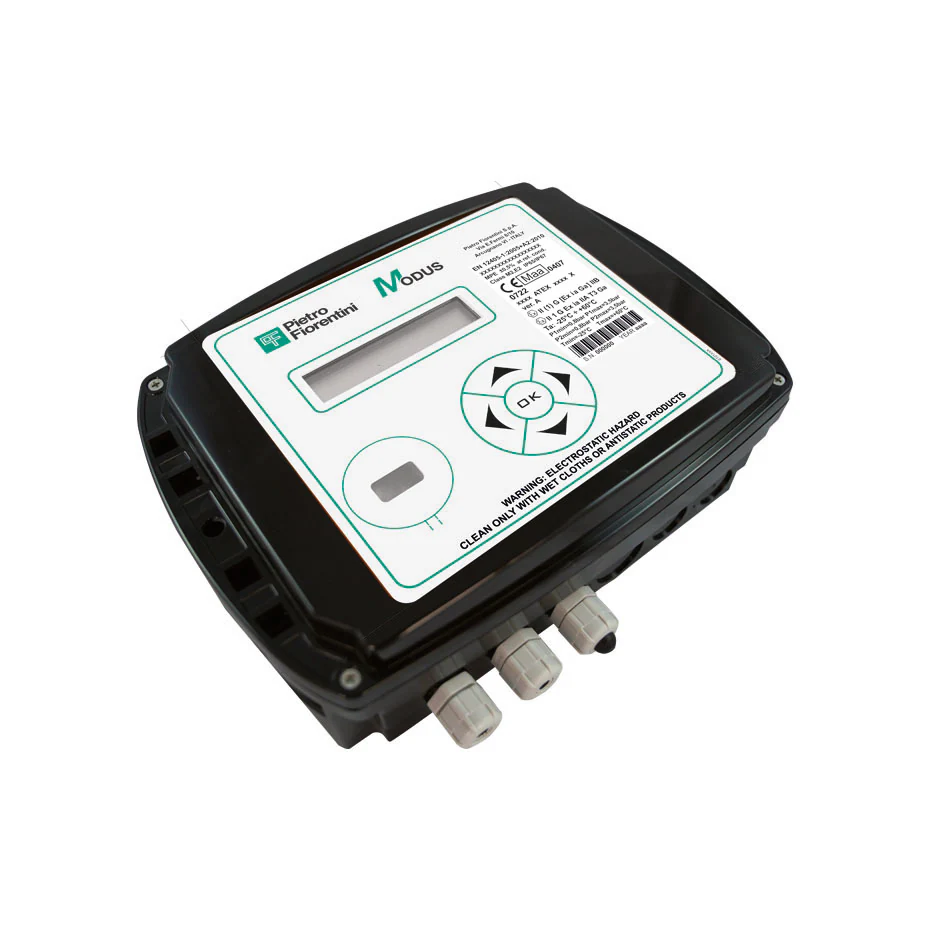
Modus dual-channel electronic volume converter (PTZ gas corrector) with data logger by Pietro Fiorentini Smart
Volume converter with Modbus for SCADA

Modus

PTZ electronic volume corrector with Modbus.

View Details
  • 1manufacturer for the whole line
  • 100 barupstream pressure, EN 12186 stations
  • 6GCC countries served
  • Al Khobarengineering, commissioning and service

What a pressure reducing and metering station does

A gas pressure reducing station takes gas from a pipeline at one pressure and delivers it at a lower, controlled pressure to the network or plant downstream.

Filtration

Solid particles and liquids are removed before the gas reaches the regulators.

Preheating where required

Where the pressure cut is large, the gas is preheated ahead of the reduction.

Pressure reduction

The pressure is reduced to the contractual value by the regulating line.

Overpressure protection

A slam shut valve, a monitor regulator and a relief valve protect the downstream system against overpressure.

Metering

With a meter and volume converter the station also measures the gas, usually for billing, and becomes a PRMS.

Odorisation

Where the network requires it, the gas is odorised.

Other names for a PRMS and the standards that apply

The same installation goes by other names depending on the network and the country: pressure regulating station (PRS), city gate station (CGS), district regulating station (DRS), let-down station, governor station, gas expansion and filtration station, or simply a regulating skid. Whatever the name, the duties are the same.

In Europe these installations are covered by EN 12186, which applies to gas pressure control stations in transmission and distribution systems with upstream pressures up to 100 bar. Smaller installations on service lines, up to 16 bar upstream, fall under EN 12279. The regulators and safety shut-off devices inside the station are built to EN 334 and EN 14382.

This page covers the stations we supply and a project from enquiry to commissioning; for the engineering background, our guide to gas pressure reducing and metering stations explains station types, equipment flow order, dual regulating lines and preheating.

How a station is built: the equipment line

Every station we deliver is a line of Pietro Fiorentini equipment in a fixed order; each product is shown with its role in the equipment cards on this page.

  1. Inlet isolation valve and filter

    An inlet isolation valve comes first, followed by a filter that removes solid particles and liquids before they reach the regulators.

  2. Preheater for large pressure cuts

    For large pressure cuts a preheater, such as the KSI heat exchangers used on city gate stations, raises the gas temperature ahead of the reduction so the gas leaves the station within specification.

  3. Slam shut valve

    The regulating line is the heart of the station. A slam shut valve closes the line if the downstream pressure leaves its safe band.

  4. Active and monitor regulators

    Behind it sit the regulators: an active regulator that controls the outlet pressure and, in most network stations, a monitor regulator of the same type that takes over if the active one fails.

  5. Relief valve

    A relief valve vents small overpressure peaks so the slam shut does not trip on minor transients.

  6. Meter and volume converter

    Metering follows regulation: we select rotary, turbine or ultrasonic meters by flow range, accuracy class and custody transfer requirements, and pair them with a volume converter that corrects the measured volume for pressure and temperature.

Dual lines, fiscal metering, odorisation and SCADA

Two parallel lines

Stations that must not interrupt supply get two parallel regulating lines, one on duty and one on standby.

Fiscal metering

Fiscal metering stations add parallel or series meter runs, online gas chromatography for energy content, pressure and temperature transmitters, and redundancy and diagnostics for custody transfer between shipper and buyer.

Odorising systems

Odorising systems such as Dosafit and Odomatic are added where the network requires odorant injection.

SCADA and remote monitoring

Volume converters, data loggers and remote terminal units connect the station to SCADA, so set points, filter differential pressure and meter readings can be followed from the control room.

Designing a station for Saudi Arabia and the GCC

Pressure reducing station design for the Eastern Province, Riyadh or Jeddah starts from a different environment than northern Italy: the climate sets the ambient temperature range, the filtration grade and the enclosure of a station before any pressure calculation.

  • Ambient temperature

    Dammam averages a daily high of 43.8 °C in June, 45.2 °C in July and 44.8 °C in August, with a recorded extreme of 51 °C, high humidity and summer dust storms, the shamal.

  • Ratings against site data

    Pressure equipment covers the EN 334 and EN 14382 range of -20 °C to +60 °C, checked against the site's ambient data; regulators and electronics are shaded or housed where enclosure temperature approaches the rating.

  • Metering equipment ratings

    Ambient ratings: IM-TM turbine meter -40 °C to +65 °C, FioSonic ultrasonic meter -25 °C to +55 °C for custody transfer, Modus Mini volume converter -25 °C to +70 °C in saline environments.

  • Sand and dust

    Sand and dust argue for the 5 micron element of the HFA-HFB filter as standard, with 1 or 3 micron elements on request, and for cabinets built with protection against the local climate.

  • Transmission inlet pressures

    Transmission inlet pressures are handled by pilot operated regulators such as the Reflux 819 (0.8 to 100 bar inlet, 0.3 to 74 bar outlet) and the Aperflux 101 (inlet up to 85 bar).

  • District and industrial pressures

    District and industrial stations use the medium to low pressure range, such as the Dixi from 0.5 to 16 bar inlet or the Norval up to 18.9 bar.

  • Codes and standards

    The station code, EN 12186, the device standards EN 334 and EN 14382, and the flange standard, ASME B16.5 or EN 1092-1, are agreed with the client at enquiry, with any client specification that applies.

We apply the same approach to enquiries from industrial cities like Jubail and Yanbu, distribution networks in Riyadh, Jeddah and the Eastern Province, and projects in Qatar (Doha, Ras Laffan), Kuwait, Bahrain (Manama), the UAE and Oman (Muscat, Sohar, Duqm).

From enquiry to commissioning

A station proposal starts with a short set of data.

  1. Send the operating data

    Minimum and maximum inlet pressure, required outlet pressure and its tolerance, minimum and maximum flow, gas composition and temperature, site location and footprint, whether metering is custody transfer, and any client specification or national regulation.

  2. Line sizing and layout proposal

    With this we size the regulating lines, select the meter technology and propose a skid, cabinet or housed layout.

  3. Engineering documents and review

    Our engineering team prepares the process datasheets, P&ID, general arrangement drawing and equipment list, and reviews them with you before manufacture. One manufacturer stands behind the whole line, its documentation and its spare parts.

  4. Installation and commissioning

    On site we supervise or carry out installation, then commission the station: strength and tightness checks, regulator set points, slam shut and relief valve trip tests, meter and converter configuration and remote communication.

  5. Handover and training

    We hand over with as-built documents and the training the operator needs to run the station.

After commissioning: service from Al Khobar

Our technicians in Al Khobar provide preventive maintenance, calibration, spring and set-point changes and original spare parts. Pietro Fiorentini's Saudi Branch recorded 9,000 service interventions in 2024, so the people who commission a station also keep it running. Pietro Fiorentini S.p.A. lists Al Khobar as a production site; we confirm per project which assembly and test work is done locally.

Frequently asked questions

What is the difference between a PRS, a PRMS and a city gate station?

A pressure reducing station (PRS) reduces and controls gas pressure. A pressure reducing and metering station (PRMS) does the same and also measures the gas, usually for billing. A city gate station (CGS) is a PRMS at the point where a transmission pipeline hands gas to a distribution network; it normally adds preheating, custody transfer metering and odorisation. District regulating stations and industrial end-user stations are smaller PRMS further down the network.

What data do you need to quote a pressure reducing station?

Minimum and maximum inlet pressure, the required outlet pressure and its tolerance, minimum and maximum flow, gas composition and temperature, the site location and footprint, whether metering must be custody transfer grade, and the client specification or code that applies. If a preliminary P&ID or a single-line sketch exists, send it. With these we size the lines, pick the meter and propose a skid or cabinet layout.

Which standards apply to a gas pressure reducing station?

In Europe EN 12186 covers gas pressure control stations for transmission and distribution with upstream pressures up to 100 bar, and EN 12279 covers regulating installations on service lines up to 16 bar. The regulators inside are built to EN 334 and the safety shut-off devices to EN 14382, both for inlet pressures up to 100 bar and -20 °C to +60 °C. Flanges follow ASME B16.5 or EN 1092-1. Client specifications are applied on top.

Should the station be a cabinet or a skid?

Cabinets suit district stations and industrial connections at medium and low pressure: they arrive pre-assembled, offer anti-tampering protection, low architectural impact and protection against the local climate, and are installed quickly. Skids suit high pressure, high flow and custody transfer stations, where line sizes, preheaters, meter runs and analysers need more room. Very large city gate stations are often housed in a building. We propose the format from the flow, pressure and site data.

What is a monitor regulator and do I need one?

A monitor regulator is a second regulator in the same line, set slightly above the active regulator. In normal operation it stays open; if the active regulator fails open, the monitor takes over pressure control before the slam shut valve has to trip. It keeps gas flowing during a fault and is standard in network stations that must not interrupt supply. Small industrial connections sometimes rely on the slam shut alone; we advise case by case.

Do you supply stations in the UAE, Qatar, Kuwait, Oman and Bahrain?

Yes. Pietro Fiorentini Saudi Industry in Al Khobar engineers, supplies and supports pressure reducing and metering stations for projects in Saudi Arabia, the UAE, Qatar, Kuwait, Bahrain and Oman. Send us the operating data and the site location, and we will propose the configuration and the equipment list. Commissioning and after-sales service are organised from Al Khobar with the Pietro Fiorentini Group behind us.

Why Pietro Fiorentini

Station engineering

Line sizing, P&ID and layout from your data

One manufacturer

Regulators, safety valves and meters from one range

Site commissioning

Set points, trip tests and meter configuration

Local service

Technicians based in Al Khobar

Remote monitoring

Volume converters and RTUs ready for SCADA

Hydrogen readiness

Equipment versions for hydrogen blends

Request a station proposal

Send us the inlet and outlet pressures, the flow range, the gas composition and the site, and our engineering team in Al Khobar will propose the station configuration and the equipment list.