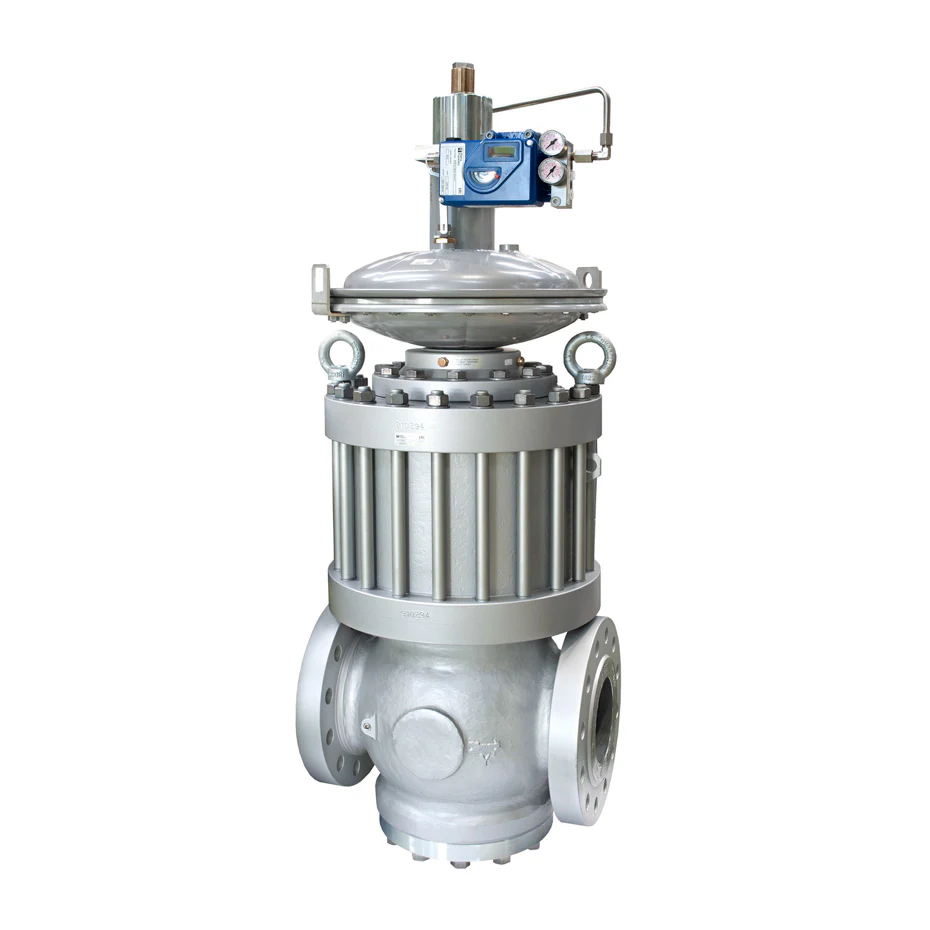
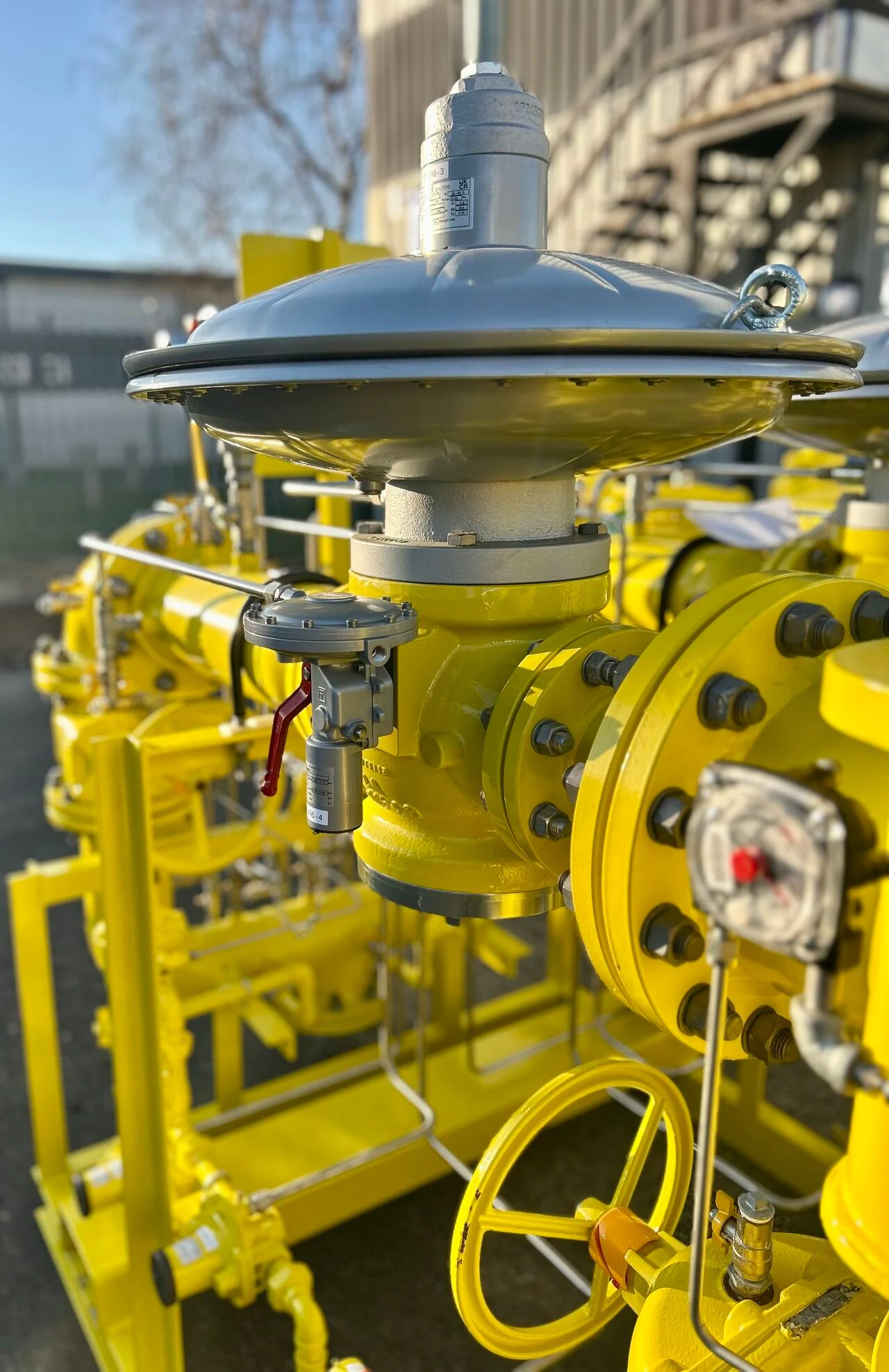
Ball valves for gas pipelines shut off or control flow with a quarter turn of the ball.

The range covers Floating Ball Valves, Trunnion Ball Valves and the Deltaflux control ball valve, in ANSI Class 150 to 2500 and sizes up to 60 inch for trunnion designs. Pietro Fiorentini supplies them for gas networks and industry in Saudi Arabia and the GCC: the UAE, Qatar, Kuwait, Bahrain and Oman.

Ball Valves: products
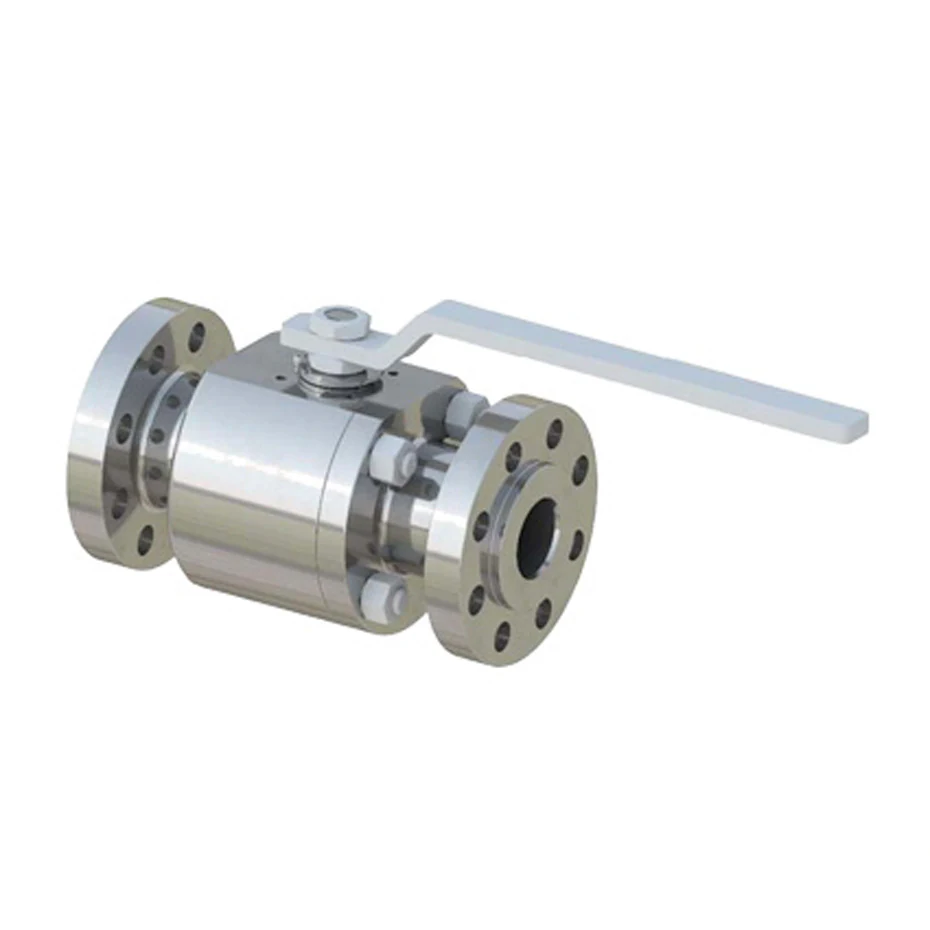
TIV floating ball valve for gas pipelines, side-entry bolted body, API 6D, by Pietro Fiorentini H2 Ready
Ball Valve

Floating Ball Valves

Floating ball valves for gas isolation and control in distribution networks.

View Details
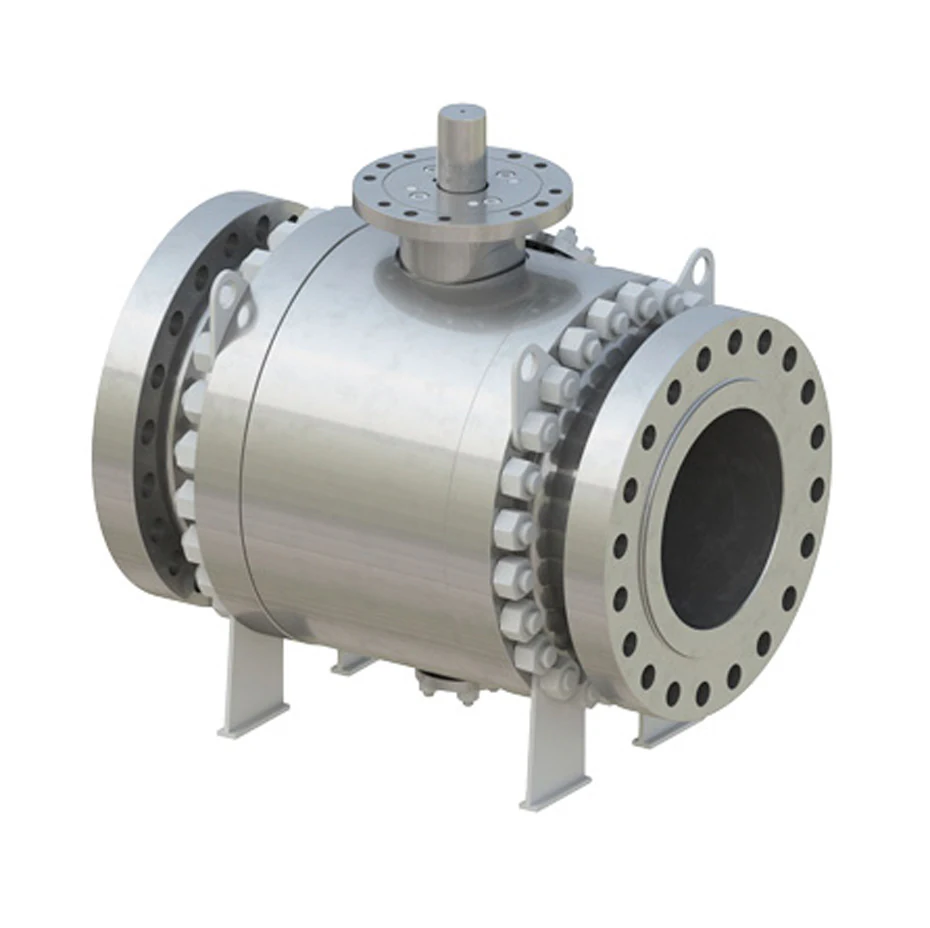
Trunnion Ball Valves Ball Valve - Pietro Fiorentini Saudi Arabia Heavy Duty
Ball Valve

Trunnion Ball Valves

Heavy-duty trunnion mounted valves for high pressure transmission applications.

View Details
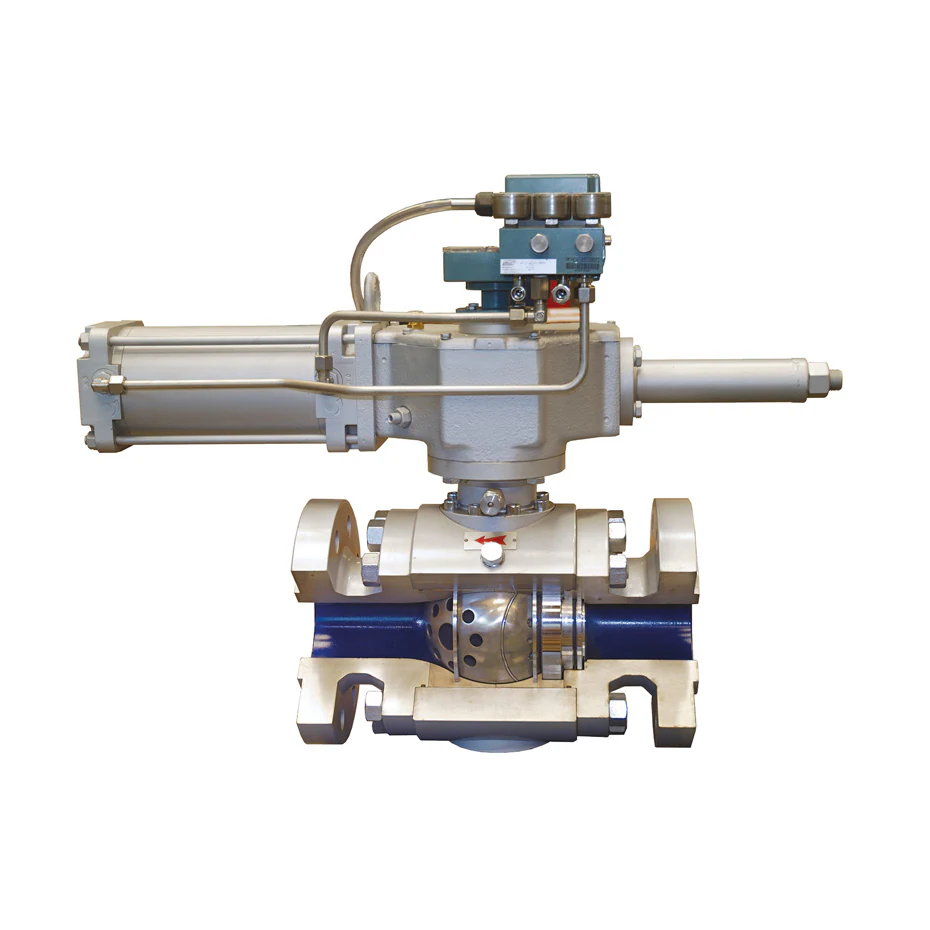
Deltaflux trunnion mounted control ball valve, 200:1 rangeability, by Pietro Fiorentini (TIV Valves) H2 Ready
Control Ball Valve

Deltaflux

Control ball valve for precise flow regulation in gas systems.

View Details

The range on this page is made by TIV Valves, a Pietro Fiorentini Group company in Rescaldina, Milan, which holds API 6D product certification.

How to choose a ball valve for gas service

First decide between floating and trunnion mounted design.

  • Floating ball valves

    In the Floating Ball Valves, line pressure pushes the ball against the downstream seat; the design is block and bleed to API 6D, and the page lists sizes up to 6 inch.

  • Trunnion ball valves

    In Trunnion Ball Valves the ball is held on a trunnion that carries the pressure load; the lower operating torque suits large bores and high pressure classes at city gates, compressor stations and transmission lines.

  • Seats and underground versions

    All TIV trunnion mounted ball valves are double block and bleed (DBB) to API 6D, with self-relieving, DIB-1 or DIB-2 seats; underground versions add a stem extension with drain, vent and sealant lines.

  • Body configuration

    Side entry bolted bodies are the TIV standard; top entry bolted bodies allow the ball to be removed from the top for in-line maintenance, and side entry welded bodies reduce potential leak paths.

  • Modulating duty: Deltaflux

    For modulating duty choose the Deltaflux control ball valve: its quarter-turn trim gives high flow coefficients with minimum pressure drop when fully open, which suits high differential pressure or large flow rates.

  • Actuation

    The Deltaflux can be supplied with a bare stem or with a pneumatic, hydraulic or electric actuator on an ISO 5211 top mounting.

  • Materials, tests and hydrogen

    Fire-safe designs to API 607 and API 6FA, fugitive emission testing to ISO 15848-1, metal seats for high temperature, hydrogen blending solutions; Al Khobar engineers check class, size and end connections for Jubail or Muscat.

Frequently asked questions

What is the difference between a floating and a trunnion mounted ball valve?

In a floating ball valve the ball is not fixed on its axis, and line pressure pushes it onto the downstream seat to seal. In a trunnion mounted ball valve the ball sits on a trunnion that carries the pressure load, and spring-energized seats press against the ball. Trunnion designs need less operating torque, so they are used for larger sizes and higher pressure classes.

What does API 6D mean for these ball valves?

API 6D is the American Petroleum Institute specification for pipeline valves. TIV Valves holds API 6D product certification (certificate 6D-1170) and API 6A certification (6A-1252). Following API 6D definitions, TIV trunnion mounted valves are double block and bleed designs and TIV floating valves are block and bleed designs.

What is a double block and bleed ball valve?

API 6D defines double block and bleed (DBB) as a single valve with two seating surfaces that, when closed, seal against pressure from both ends, with a means of venting the cavity between them. All TIV trunnion mounted ball valves are DBB. The DIB-1 option uses two bidirectional seats; DIB-2 combines a self-relieving upstream seat with a bidirectional downstream seat.

Are these ball valves hydrogen ready?

The Floating Ball Valves and Trunnion Ball Valves are listed as Hydrogen Ready for natural gas and hydrogen blending, and the TIV brochures describe solutions for pure hydrogen service as well. Fugitive emissions can be verified with helium or hydrogen as tracing gas. Tell us the hydrogen content and pressure so we can confirm the right version.

Need Technical Assistance?

Our engineers are ready to help you select the right valve for your application.

Request a Quote Back to Valves & Filters