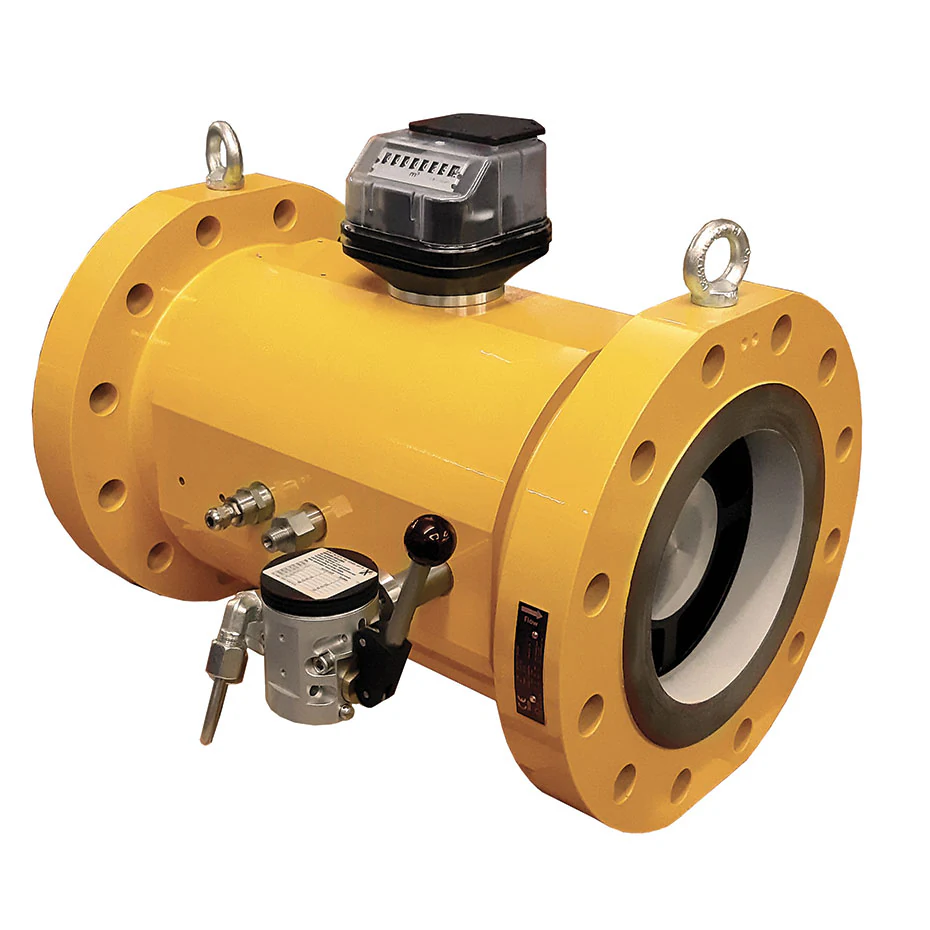
A gas volume converter, also called an electronic volume corrector (EVC) or PTZ corrector, converts the volume measured by a gas meter to base conditions for billing.

The Modus offers up to two PTZ channels and data logging; the compact Modus Slim2 has integrated sensors. Both are MID certified, suitable for ATEX Zone 0 and offer pressure ranges up to 80 bar(a), for gas networks and industry in Saudi Arabia and the GCC: the UAE, Qatar, Kuwait, Bahrain and Oman.

Gas Volume Converters: products
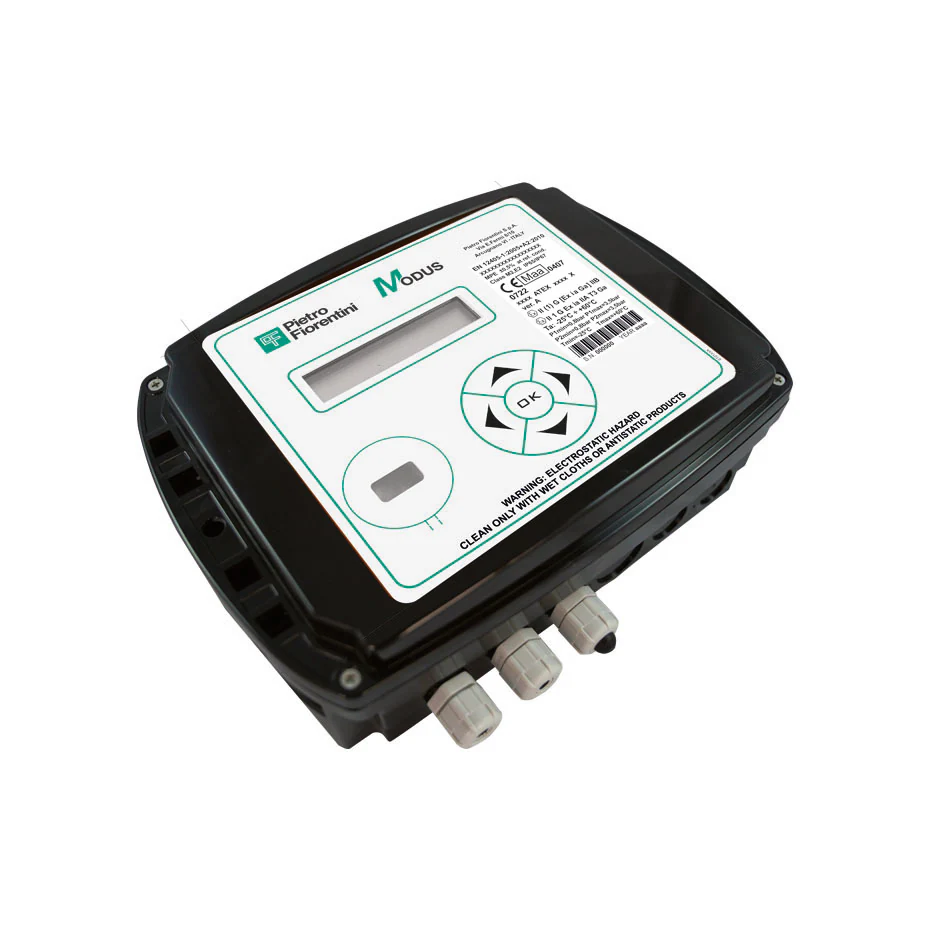
Modus dual-channel electronic volume converter (PTZ gas corrector) with data logger by Pietro Fiorentini MID Certified
Volume Converter

Modus

MID certified Electronic Volume Converter with integrated communication module suitable for ATEX Zone 0 classified areas.

  • Correction: PTZ (up to 2 channels)
  • Communication: Modbus / UNI TS 11291-3
  • Enclosure: IP65/IP67
View Details
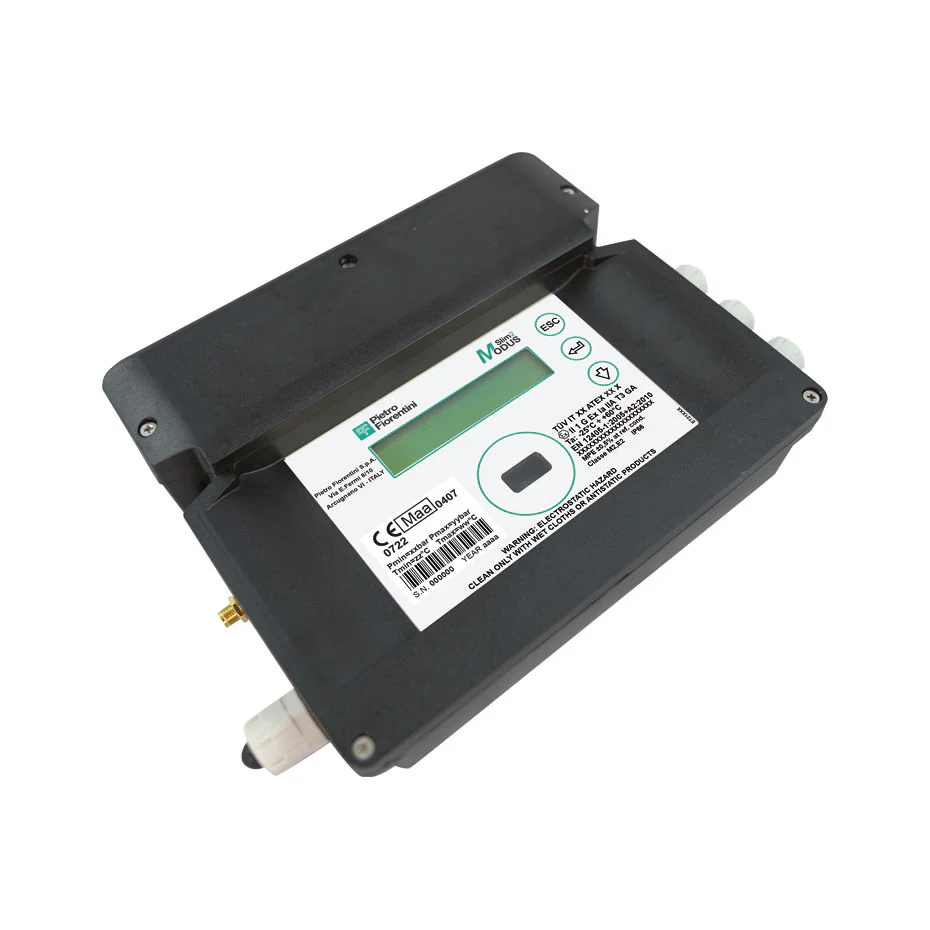
Modus Slim2 compact PTZ electronic volume converter with integrated P&T sensors and GSM/GPRS by Pietro Fiorentini MID Certified
Volume Converter

Modus Slim2

MID certified compact Electronic Volume Converter with integrated communication module for ATEX Zone 0 areas.

  • Correction: PTZ
  • Communication: UNI TS 11291-3
  • Enclosure: IP66
View Details
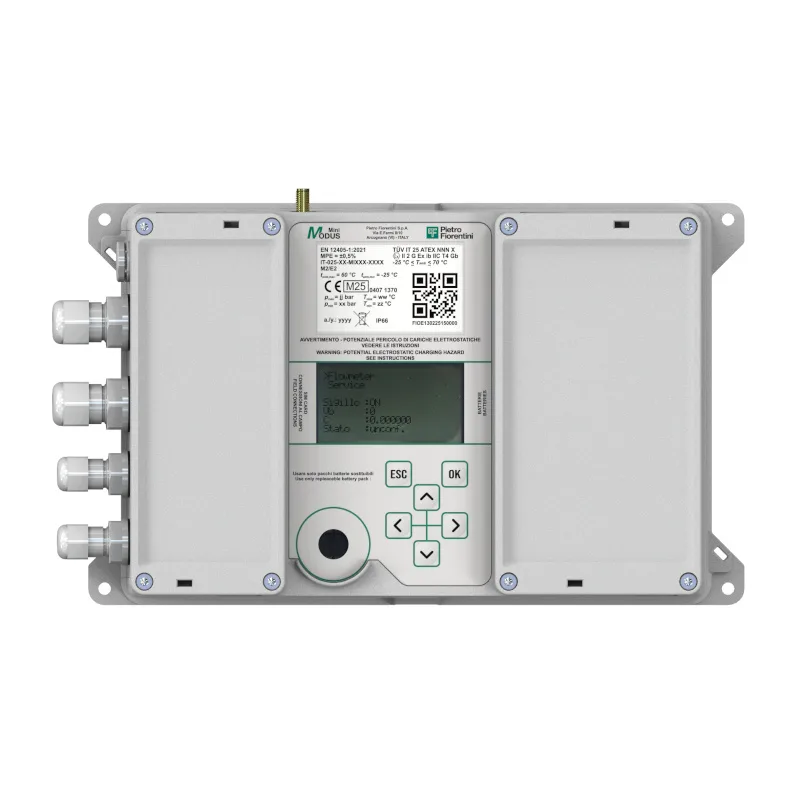
Modus Mini single-channel electronic volume converter with LCD display and 6-key keypad by Pietro Fiorentini MID Certified
Volume Converter

Modus Mini

MID certified single-channel Electronic Volume Converter with embedded NB-IoT / Cat-M1 modem for ATEX Zone 1 areas.

  • Correction: PTZ (single channel)
  • Communication: DLMS/COSEM, NB-IoT / Cat-M1
  • Enclosure: IP66
View Details

How to choose a gas volume converter

Count the meter runs first, then match the pressure range to the line and plan communication and power.

  • Two meter runs: Modus

    Modus: up to two PTZ channels, each with a low frequency input up to 3 Hz, a pressure sensor and a PT1000 temperature sensor; the second channel accepts high frequency signals up to 5 kHz.

  • One meter: Modus Slim2

    The Modus Slim2 handles one meter with integrated pressure and temperature sensors and an anti-tamper input, in a slim 180 x 150 x 40 mm enclosure.

  • Pressure range

    Both converters offer ranges of 0.8 to 2, 0.6 to 3.5, 0.9 to 10, 5 to 24, 10 to 40 and 20 to 80 bar(a), with pressure sensor accuracy better than 0.25%.

  • Conversion and compressibility

    On the Modus, conversion follows EN 12405, and both devices calculate compressibility with ISO 12213-2 (AGA8-DC92), ISO 12213-3 (SGERG-88) or AGA NX-19.

  • Communication: Modus Slim2

    The Modus Slim2 has an integrated GSM/GPRS modem with an external antenna and a battery life of more than 5 years with daily calls.

  • Communication: Modus

    The Modus adds Modbus RTU and an RS485 port alongside GSM/GPRS and UNI TS 11291-3 (CTR), plus 10 digital inputs and 4 outputs for station monitoring.

  • Pairing and what to send

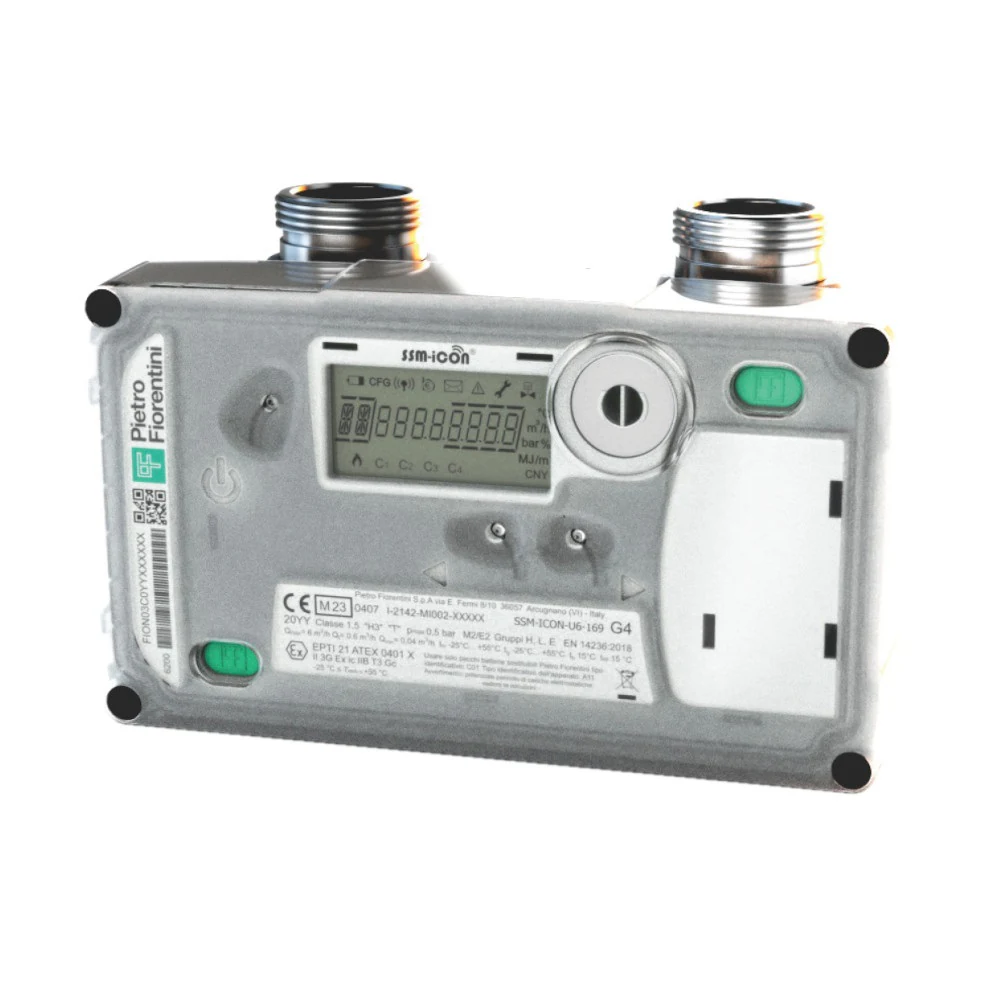
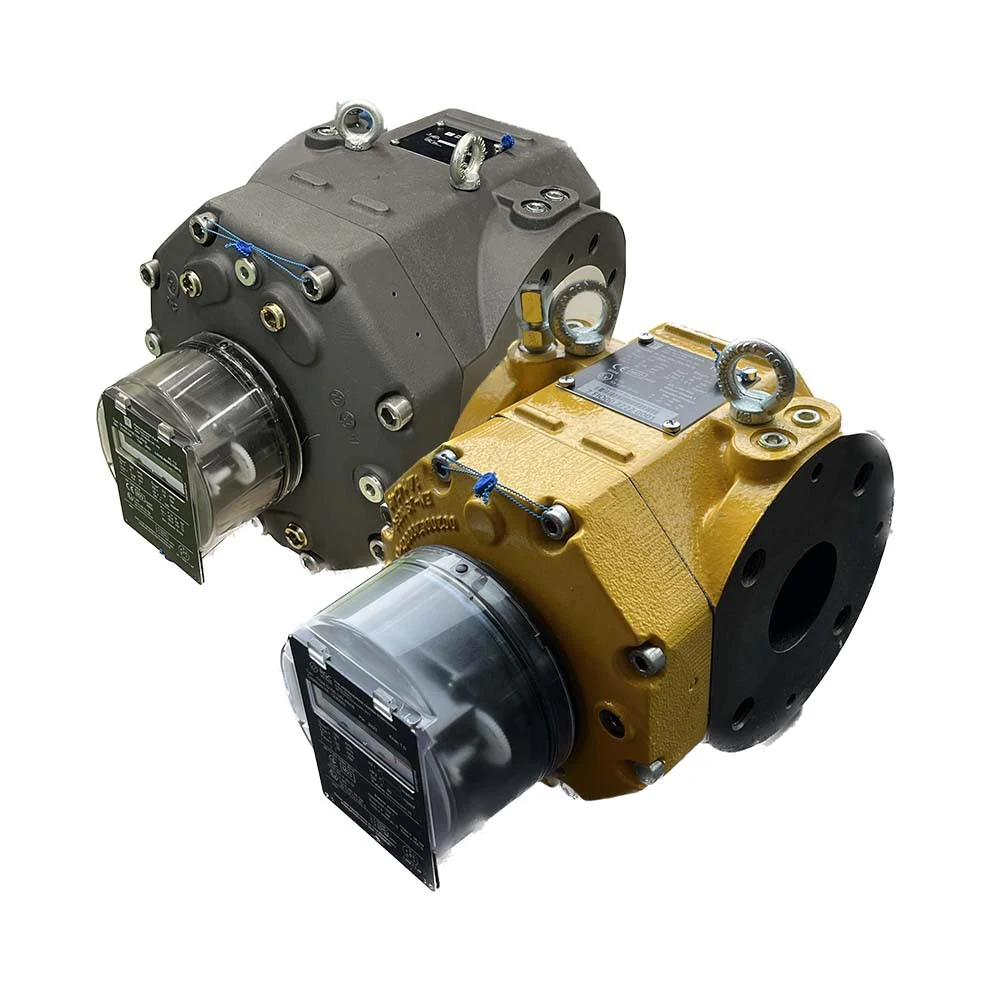
    Pair it with an IM-RM rotary or IM-TM turbine meter at district stations, compressor stations and industrial users; for stations in Dammam, Riyadh or Kuwait City, send us meter type, pulse output and pressure range.

For always-on communication, the Modus can be powered through the MPower intrinsic safety barrier from mains, solar panels or a microturbine.

View products

Frequently asked questions

What is an electronic volume corrector (EVC)?

An EVC is an electronic device fitted to a gas meter that converts the volume measured at line conditions into volume at base conditions. It reads the meter pulses, measures gas pressure and temperature, and applies a compressibility factor. A PTZ device corrects for pressure, temperature and compressibility together. The Modus and Modus Slim2 are MID certified PTZ converters for ATEX Zone 0.

Why does a gas meter need pressure and temperature correction?

Gas is compressible, so the same quantity takes less volume at higher pressure or lower temperature. A rotary or turbine meter measures the actual volume flowing at line conditions, while gas is billed at base conditions. Without correction, a meter running at several bar would record far less volume than was delivered. The converter applies the pressure, temperature and compressibility factors to give the billable volume.

Which gas meters can the Modus connect to?

The Modus accepts low frequency pulse inputs up to 3 Hz from a primary gas meter on each channel, and the second channel also accepts high frequency signals up to 5 kHz. This suits meters with low frequency reed outputs or high frequency sensors, such as the IM-RM and IM-TM, which offer both options.

Can the converter battery be changed in a hazardous area?

On the Modus Slim2, yes: the flyer states that the battery can be replaced in the hazardous area without removing the metrological seal. Its internal lithium battery lasts more than 5 years with daily GSM/GPRS communication. The Modus runs about 5 years on its primary battery with one daily call, or from the MPower barrier for continuous communication.

Need Help Selecting the Right Volume Converter?

Our metering experts can help you choose the perfect volume converter for your application requirements.