An ultrasonic gas meter (USM) measures flow from ultrasonic signals sent across several paths in the pipe. It has no moving parts and reports diagnostics in real time.

Used for custody transfer and fiscal metering, the FioSonic covers DN50 (2 inch) to DN750 (30 inch) with design pressure up to 153 bar(a), and the compact FioSonic Mini covers 3 and 4 inch lines up to 20 bar(a), for gas networks and industry in Saudi Arabia and the GCC: the UAE, Qatar, Kuwait, Bahrain and Oman.

Ultrasonic Gas Meters: products
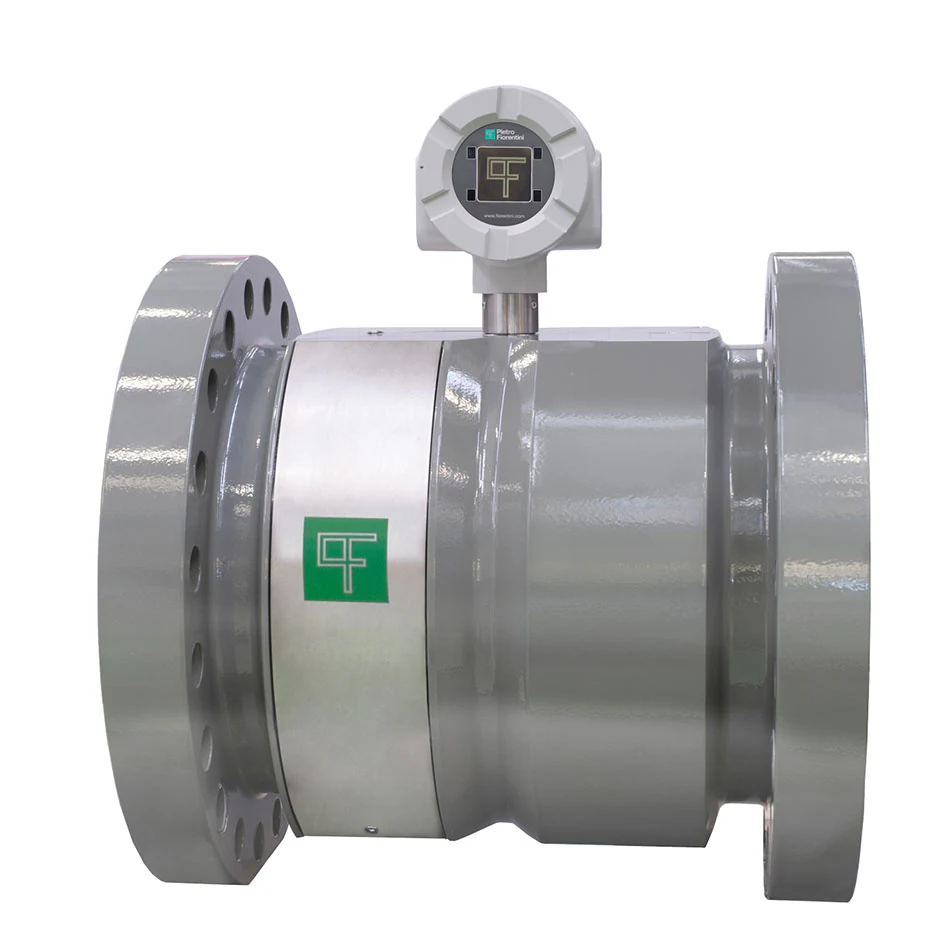
FioSonic multipath ultrasonic gas meter for custody transfer, titanium transducers, by Pietro Fiorentini H2 Ready
Ultrasonic Meter

FioSonic

Multi-path ultrasonic flow meter for gas transmission with real-time diagnostics and fiscal-grade accuracy.

  • Flow Range: Up to 43,700 m³/h
  • Sizes: 2″ - 30″
  • Temperature: -25°C to +55°C
  • Pressure: Up to 153 bar(a)
View Details
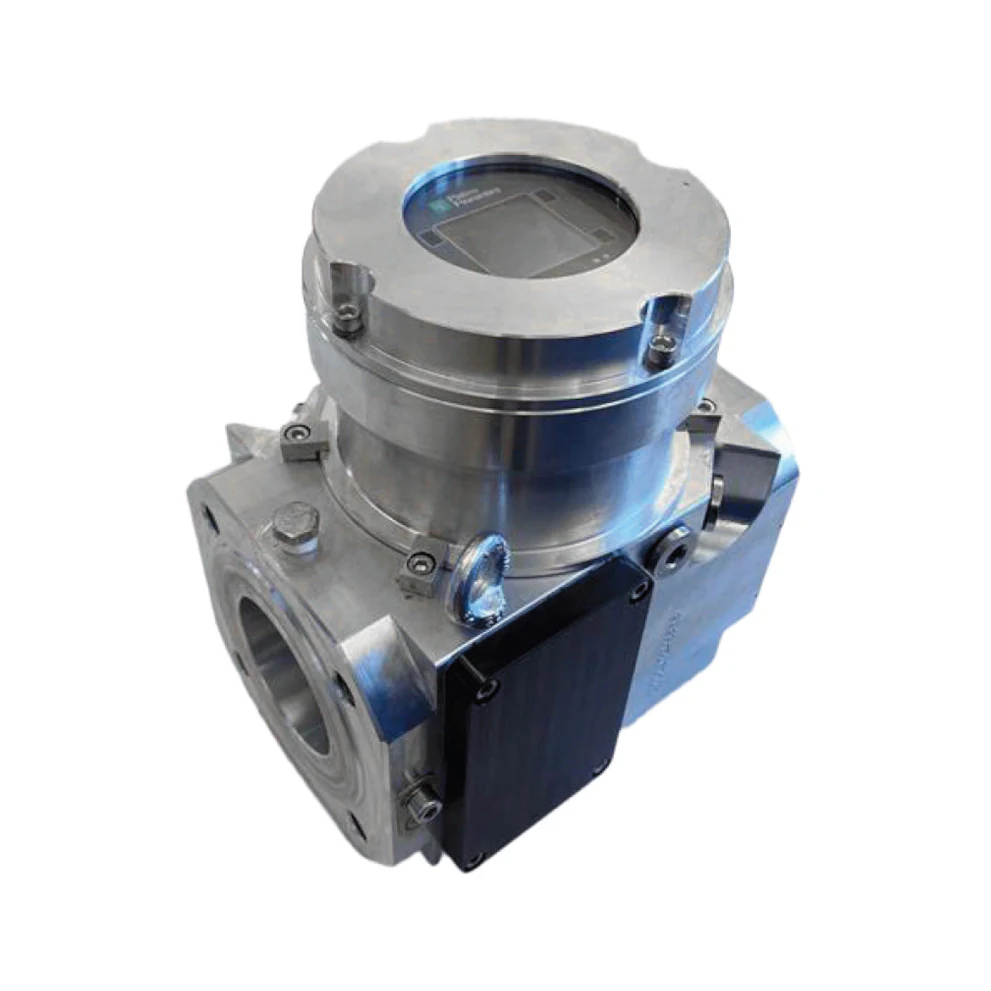
FioSonic Mini compact ultrasonic gas meter, 3 and 4 inch aluminium body, custody transfer, by Pietro Fiorentini H2 Ready
Ultrasonic Meter

FioSonic Mini

Compact ultrasonic flow meter for medium and low-pressure distribution applications.

  • Flow Range: Up to 991 m³/h
  • Sizes: 3″ - 4″
  • Temperature: -25°C to +55°C
  • Pressure: Up to 20 bar
View Details

How to choose an ultrasonic gas meter

  • Custody transfer: four-path

    The four-path FioSonic is designed and certified for custody transfer to AGA-9, OIML R137 (class 0.5 to 1) and MID class 1; the BX version combines two independent measuring systems in one body (redundant measurement).

  • Technical metering: three-path

    The three-path model is tested to AGA-9 with accuracy better than 1% and suits pipeline branches, grid balancing and network modelling, where fiscal accuracy is not required.

  • Line size and pressure

    Four-path FioSonic: DN80 to DN750; three-path: DN50 to DN750, with ASME B16.5 Class 150 to 900 or EN 1092-1 PN16 to PN40 flanges and a forged steel ASTM A350 LF2 body.

  • Small lines: FioSonic Mini

    For district stations and city gates on 3 or 4 inch lines, the FioSonic Mini has an aluminium 6082 body, a 20 bar(a) design pressure and Class 1 accuracy with air calibration.

  • Accuracy and turndown

    The FioSonic reaches up to 0.5% with factory calibration and up to 0.2% with high pressure flow calibration, with rangeability up to 1:125 for custody transfer; the FioSonic Mini offers up to 1:67.

  • Bi-directional, hydrogen ready

    Both measure bi-directional flow, use titanium transducers and are rated for natural gas blends with up to 30% hydrogen.

  • What to send us

    For gas processing plants in Jubail, storage and regasification sites, or a city gate serving Doha or Muscat, send line size, pressure, flow range and specification standard; we propose the meter configuration and flow conditioner.

Frequently asked questions

How does an ultrasonic gas meter work?

Transducers in the meter body send ultrasonic signals along several chordal paths across the gas stream. The meter derives the gas velocity on each path and integrates them into a flow rate, so changes in the flow profile are measured rather than ignored and can be reported as diagnostics. The FioSonic uses Broadband Continuous Wave processing to interrogate several paths at the same time for a fast response.

What standards apply to custody transfer ultrasonic meters?

The FioSonic and FioSonic Mini are designed to AGA Report No. 9, ISO 17089-1 and OIML R137-1&2, and certified under the European MID 2014/32/EU and PED directives, with ATEX, IECEx and CSA/UL (CQPSUS) hazardous area certification. Check which of these your project specification requires and request the certificates with the quotation.

Can an ultrasonic meter replace a turbine or rotary meter?

On 3 and 4 inch lines, the FioSonic Mini is an alternative for district stations, city gates and industrial users: it has no moving parts, Class 1 accuracy and rangeability up to 1:67 at up to 20 bar(a), with a maximum flow of 991 m³/h at 4 inch. Where flow is low or very variable, the IM-RM rotary meter, with rangeability up to 1:250, may still fit better.

What diagnostics does the FioSonic provide?

The FioSonic calculates profile and symmetry factors from the velocity ratios between paths, and turbulence from the standard deviation of path velocity. Speed of sound, signal-to-noise ratio and signal strength are also available. If one path fails, a path substitution algorithm uses historical data to keep measuring until the path recovers. Data can be logged for trending and condition monitoring.

Need Help Selecting the Right Meter?

Our metering experts can help you choose the perfect ultrasonic gas meter for your application requirements.